
Make Every Day Earth Day
In honor of Land Conservation Month, as recognized through a month-long proclamation by the Adams County Commissioners, a meaningful acknowledgment of the importance of local conservation efforts, and in celebration of Earth Day, I’d like to share a few simple ways you can make your day-to-day life more sustainable. Small efforts can lead to meaningful change, especially when those efforts are multiplied across households and neighborhoods. A favorite phrase in the environmental world is “think globally, act locally.” For me, this helps temper eco-anxiety and creates a pathway for achievable, everyday wins.
Many impactful changes require minimal effort. Switching to reusable items such as grocery bags, silicone storage bags, and refillable water bottles can significantly reduce waste. Even bringing your own containers to restaurants for leftovers helps cut down on Styrofoam and single-use plastics that can persist in landfills for generations.
Energy and water conservation are also easy places to start. Replacing traditional light bulbs with LED bulbs can dramatically reduce energy use, and many utility providers offer them at little to no cost. Unplugging electronics when not in use helps eliminate “phantom” energy loss, saving both money and resources. To further support water conservation efforts, running only full loads of laundry and dishes can significantly reduce overall water use. Another simple and effective step is installing a rain barrel for outdoor use, which are available locally through the Conservation District office at the Gettysburg Ag Center.
There are also fun and rewarding ways to support local wildlife right in your own backyard. Whether you have a small lot or several acres, installing birdhouses or bat boxes can provide safe habitat for beneficial species that also help with pest control. Designating even a small area as a pollinator-friendly space can make a big difference. Adams County lies within the migration corridor of the monarch butterfly, and planting native pollinator species like milkweed helps support populations that have declined in recent years.
Eating locally grown produce not only helps boost the local economy but also decreases overall food waste, industry-scale emissions, and transportation impacts. Additionally, eliminating meat from just one meal a day can reduce your water footprint by up to 80 gallons per serving of meat. To calculate your family’s ecological footprint, you can visit footprintcalculator.org and complete a simple questionnaire to identify areas for improvement and areas where you are already excelling.
These small, practical steps can add up to lasting change. By making thoughtful choices at home, we can all play a role in protecting the natural resources that make our community so special.
Morgan Huckaby is the Conservation Director of the Land Conservancy. The Land Conservancy of Adams County is a fully accredited, member-supported nonprofit land trust that works to preserve the rural lands and character of Adams County. For more information about the Land Conservancy, visit PreserveAdams.org.
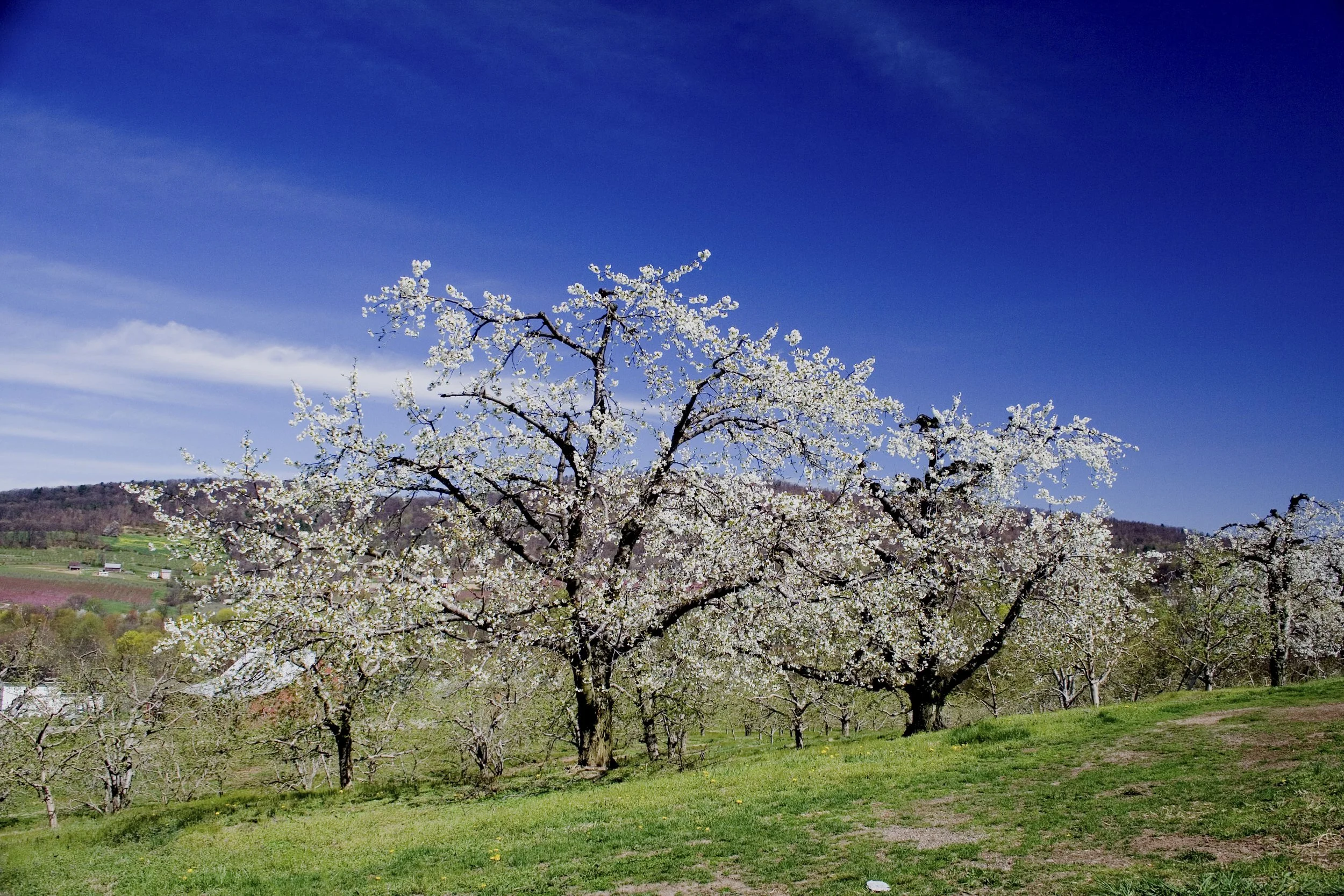
photo by Loy Elliott